What to see in Poland and Europe?
If you are planning to stay longer in Poland, we encourage you to visit some of the most beautiful places in Kasia’s home country.
WARSAW
Warsaw is the capital and largest city of Poland. It lies on the Vistula River, in the central-eastern part of the country. Almost completely destroyed during World War II, the city was later rebuilt. The symbol of Warsaw is the Mermaid, which also appears on the city’s coat of arms. Today, Warsaw is an important political, economic, scientific, and cultural center of Poland.
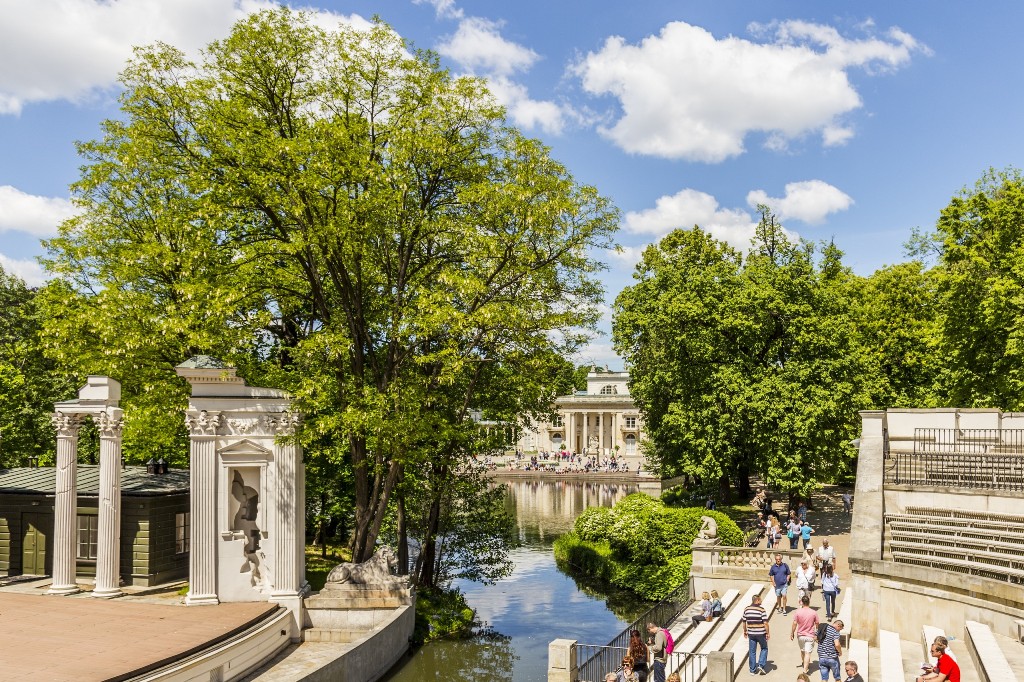
Łazienki Królewskie (Royal Łazienki Park) in Warsaw
The Royal Łazienki is a historic palace and park complex in Warsaw, founded in the 18th century. Its main creator was King Stanisław August Poniatowski, the last king of Poland. The most iconic building in the park is the Palace on the Isle, which served as the king’s summer residence.
Other notable landmarks include the Amphitheatre, the Old Orangery, and the White Pavilion. The Royal Łazienki is renowned for its beautiful gardens, tree-lined paths, sculptures, and classical-style pavilions.
Today, it is a popular place for walks, cultural events, and concerts, especially those held near the monument of Fryderyk Chopin.
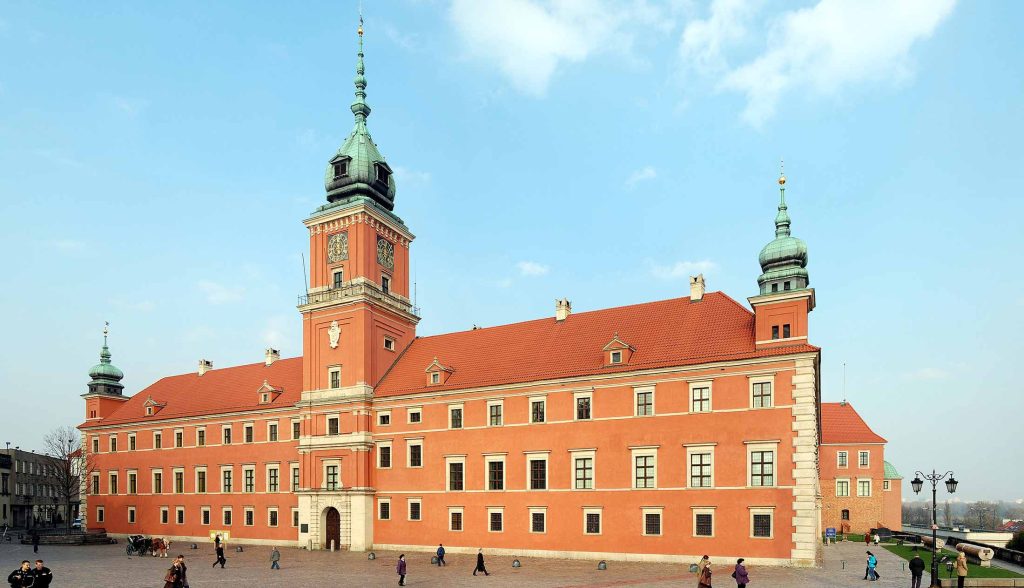
The Royal Castle
The Royal Castle was the former residence of Polish kings and the seat of Parliament. It is located on Castle Square, at the entrance to Warsaw’s Old Town.
The castle was destroyed during World War II, and its reconstruction was completed in the 1980s. Today, its interiors can be visited – including the Throne Room, Knight’s Hall, and Royal Apartments.
The castle houses valuable works of art, including paintings by Rembrandt. The Royal Route is a prestigious road connecting the Royal Castle with the Wilanów Palace.
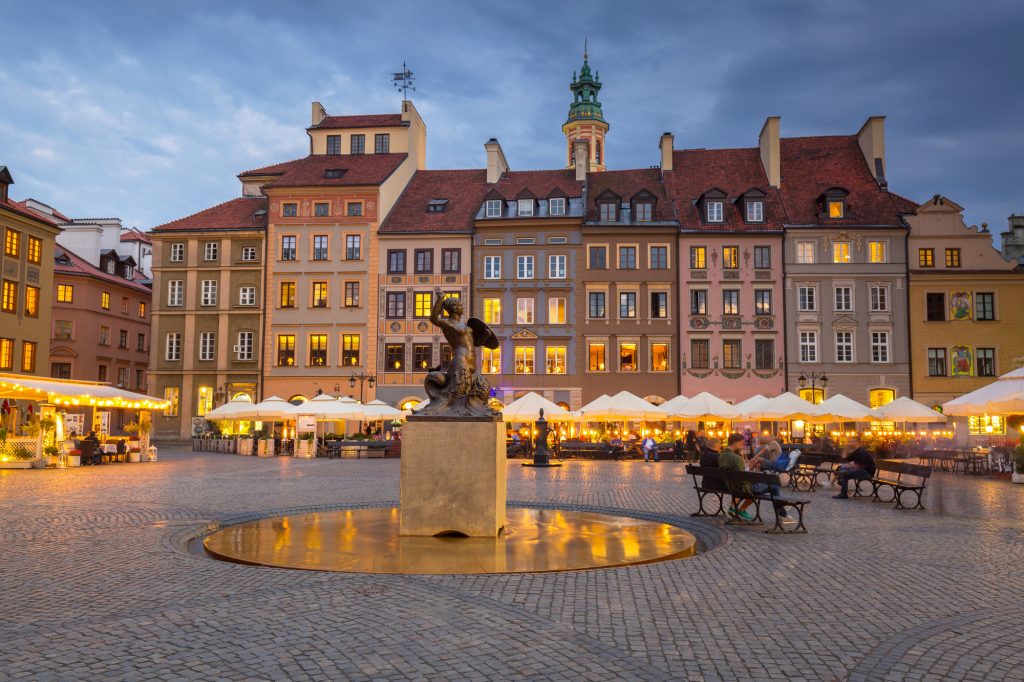
The Old Town
The Old Town is the oldest part of Warsaw and is listed as a UNESCO World Heritage Site. It was almost entirely destroyed during World War II and was carefully reconstructed. The main feature of the Old Town is the Market Square, with its colorful townhouses and the Mermaid statue.
Nearby are the city walls, the Barbican, and St. John’s Cathedral.
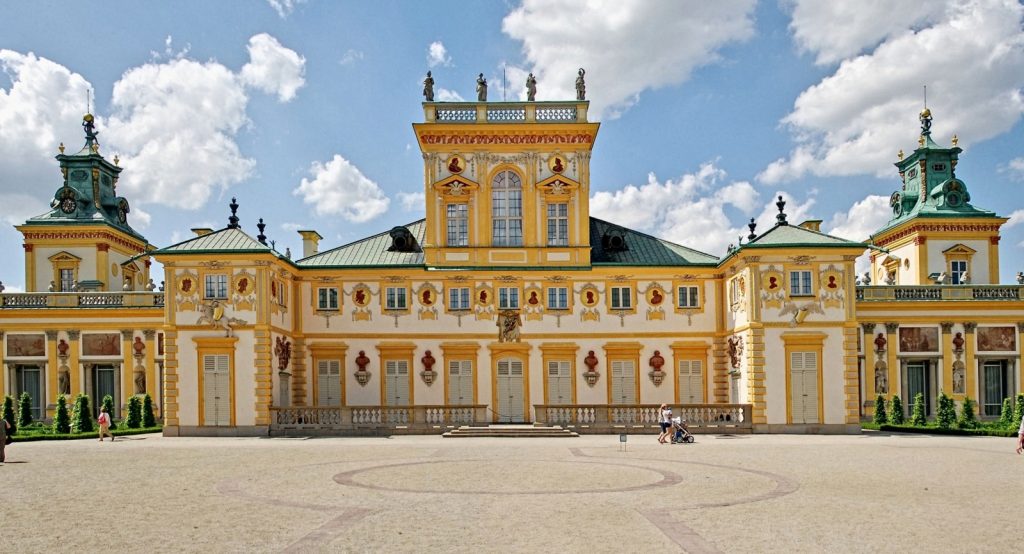
Wilanów Palace
Wilanów Palace was built in the 17th century as the summer residence of King John III Sobieski. It is one of the most valuable examples of Baroque architecture in Poland.
The palace survived the partitions and wars, retaining its original appearance and interiors. It is surrounded by a vast, picturesque park and gardens in Baroque and English styles.
Visitors can tour the palace’s interiors, which feature antique furniture, paintings, sculptures, and memorabilia of King Sobieski.
Today, the palace functions as a museum and an important cultural venue, hosting exhibitions and events.
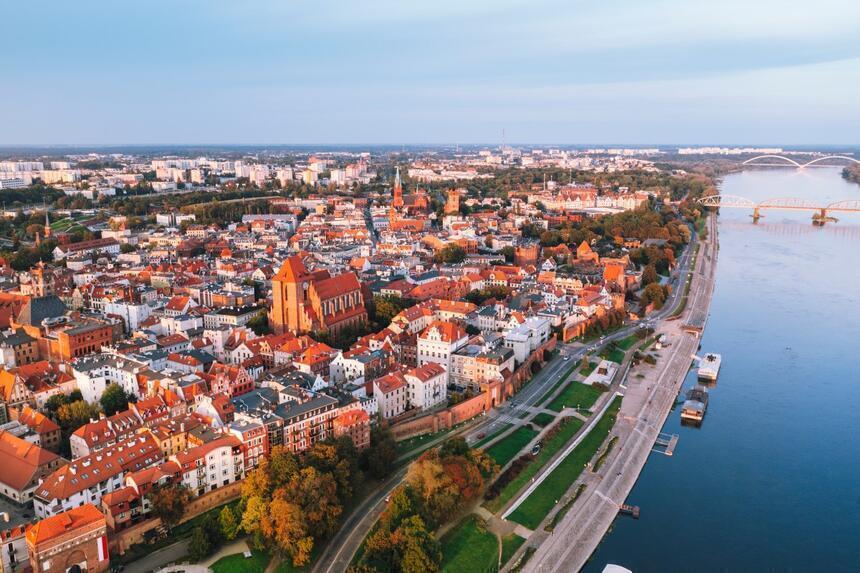
Toruń is one of the oldest cities in Poland, located on the Vistula River in the Kuyavian-Pomeranian Voivodeship. The city is known as the birthplace of Nicolaus Copernicus, the famous astronomer. Toruń’s Old Town is listed as a UNESCO World Heritage Site for its well-preserved medieval architecture. One of the city’s symbols is Toruń gingerbread, baked here for centuries.
There are many historic buildings, including the Old Town Hall, the ruins of a Teutonic castle, and numerous Gothic churches.
The city is an important center of science, culture, and tourism, and is home to Nicolaus Copernicus University.
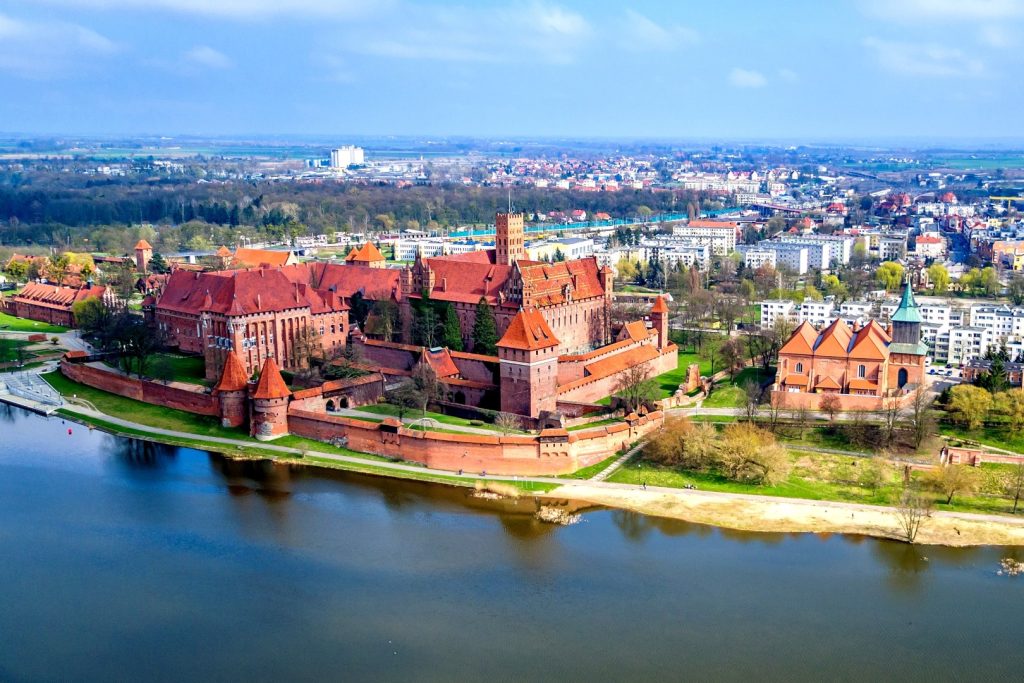
Malbork is a town in northern Poland, in the Pomeranian Voivodeship, located on the Nogat River. It is best known for its Teutonic Castle, the largest brick castle in Europe.Malbork Castle was built in the 13th century by the Teutonic Order as their main headquarters. It is a UNESCO World Heritage Site and attracts tourists from all over the world.
The town hosts many historical events, such as battle reenactments and knight shows.
Malbork is also a regional center of culture, education, and tourism.
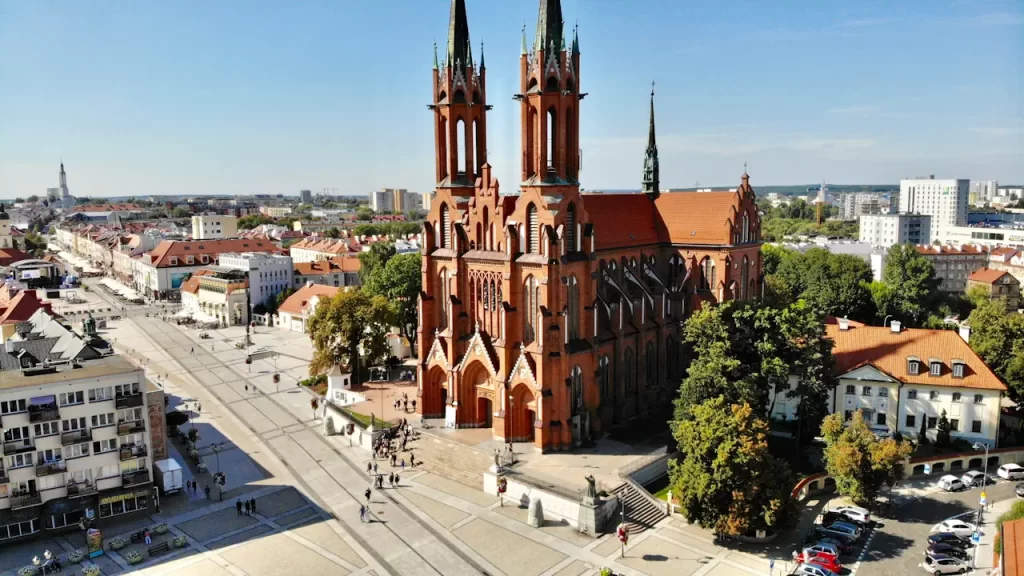
Białystok is the largest city in northeastern Poland and the capital of the Podlaskie Voivodeship. It is located near the border with Belarus and is an important center of borderland culture, influenced by Polish, Belarusian, Lithuanian, and Jewish traditions. The city’s main attraction is the Branicki Palace, often called the “Versailles of the North.”
Białystok is surrounded by greenery and forests, , with many parks and with proximity to Białowieża National Park. 🌳
The city is also known for its religious and cultural tolerance, being home to people of various nationalities and faiths.
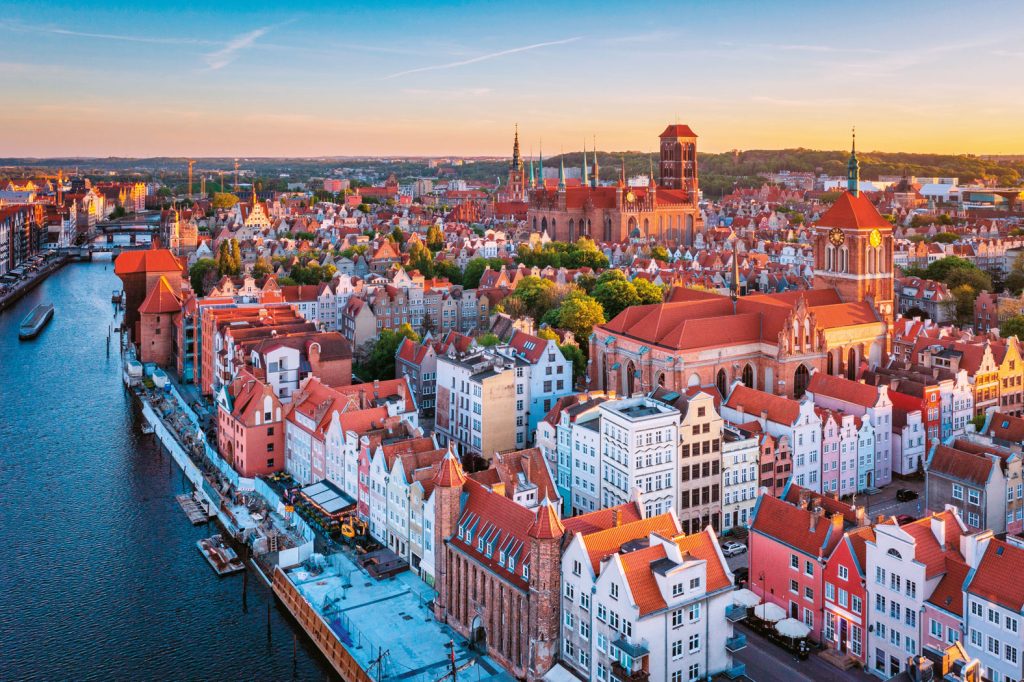
Gdańsk is a large port city on the Baltic Sea, located in the Pomeranian Voivodeship.
In 1980, the „Solidarity” movement was born in the Gdańsk shipyard, contributing to the fall of communism in Poland.
Together with Gdynia and Sopot, it forms the Tricity, a major economic and tourist hub in Poland.
Gdańsk has a long and rich history – it was a member of the Hanseatic League and an important trade center in the Middle Ages.
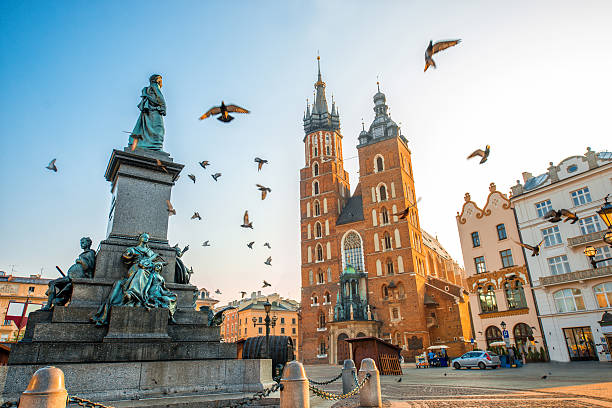
Kraków is one of the oldest and most beautiful cities in Poland, located on the Vistula River, in the Lesser Poland Voivodeship. It was the capital of Poland until the end of the 16th century and still plays a key historical and cultural role.
The city is home to the Wawel Royal Castle,where Polish kings and national heroes are buried.
Kraków’s Main Market Square is the largest medieval square in Europe, featuring the Cloth Hall (Sukiennice) and St. Mary’s Basilica. It is also a major academic center – the Jagiellonian University is one of the oldest in Europe.
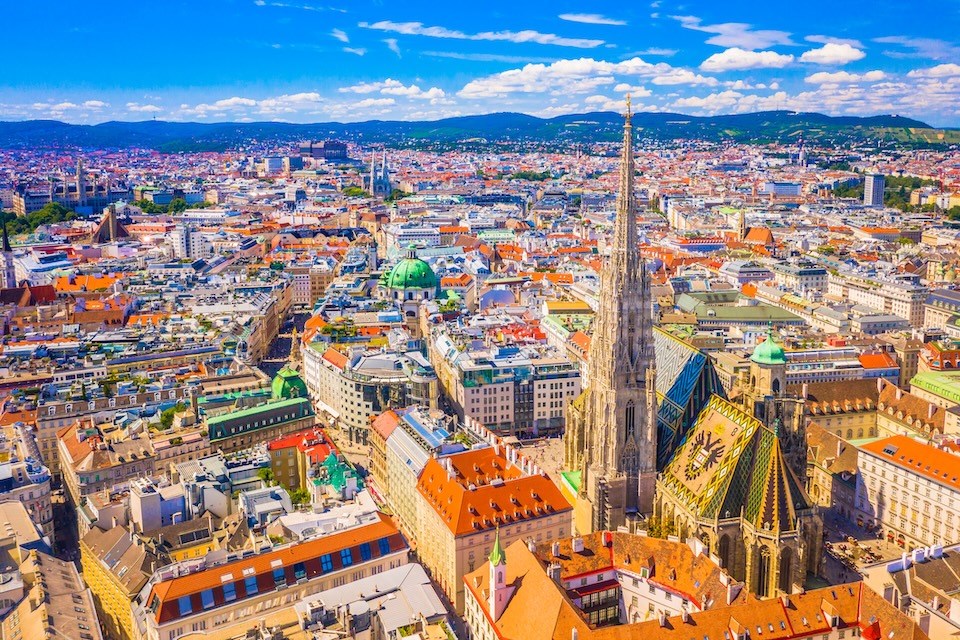
Vienna is the capital of Austria and one of the most important cities in Central Europe. It lies on the Danube River and has a population of over 1.9 million. For centuries, Vienna was the seat of the Habsburg dynasty and the capital of the Austro-Hungarian Empire.
The city is home to stunning landmarks such as Schönbrunn Palace, St. Stephen’s Cathedral, and the Hofburg Palace. Vienna is also famous for its classical music – great composers like Mozart, Beethoven, and Strauss lived and worked here.
Today, it is a modern center of culture, art, and politics, with a UNESCO-listed historic city center.
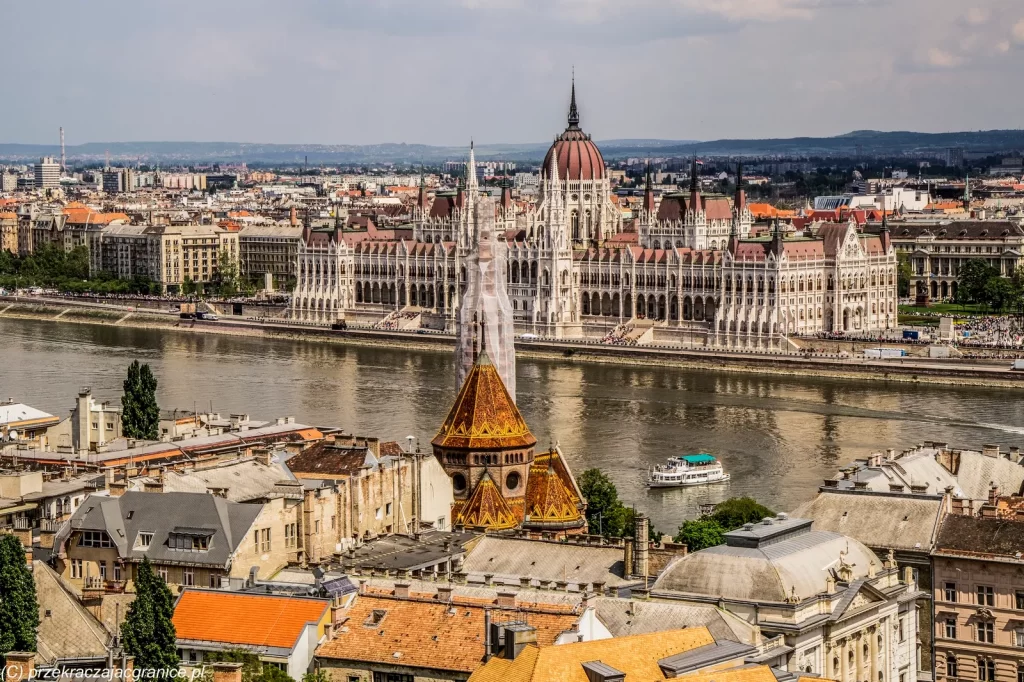
Budapest is the capital of Hungary, located on the Danube River. The city was formed by merging three parts: Buda, Pest, and Óbuda.
Budapest is known for its stunning architecture, including the Hungarian Parliament, Buda Castle, and its famous thermal baths. It is a major cultural, scientific, and economic center of Hungary. The Danube divides the city into two parts, connected by many bridges – the most famous being the Chain Bridge.
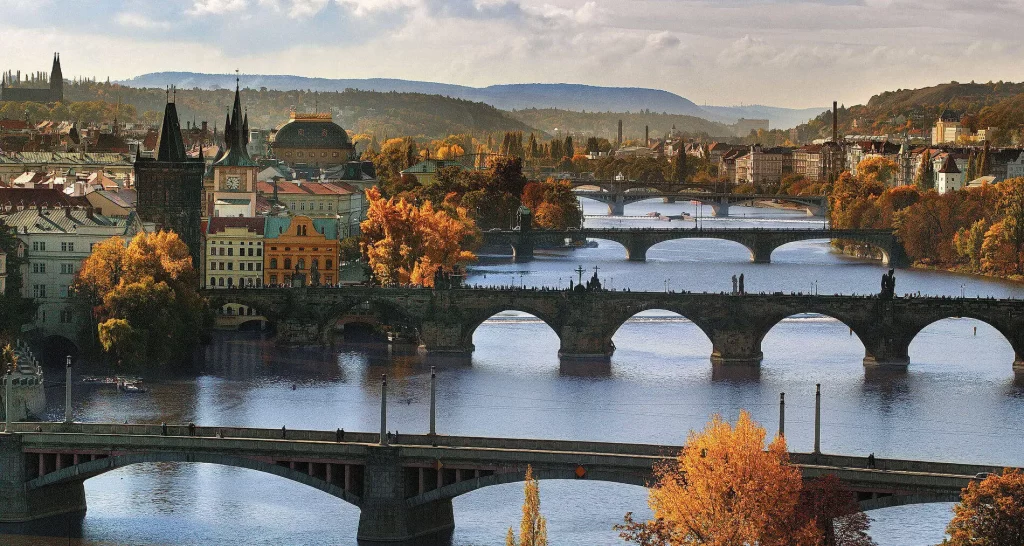
Prague is the capital and largest city of the Czech Republic. It lies on the Vltava River and is renowned for its beautifully preserved medieval architecture. The city is home to Prague Castle, one of the largest castles in the world. The Old Town, with its Old Town Square and Astronomical Clock (Orloj), is one of its main highlights.
Historically, Prague was the capital of the Kingdom of Bohemia and a major cultural and political center in Central Europe. The city is also famous for its beer tradition and its many bridges – especially the iconic Charles Bridge.
 Polish
  English
  German
  Spanish
  French